

A landscape lighting transformer may produce a normal magnetic hum, but changes in sound can require investigation. This guide explains mounting resonance, control compatibility, loading, and wiring checks. It also clarifies the limits of unloaded testing and identifies warning signs that need qualified assessment before adjustment or replacement.
View More
Choosing between a 150W and 300W landscape lighting transformer starts with the actual fixture load and planned additions. This guide explains VA calculations, circuit limits, voltage-drop considerations, and operating costs. It also compares single and separate transformer arrangements, helping buyers select capacity without assuming that a larger rating provides better voltage or construction.
View More
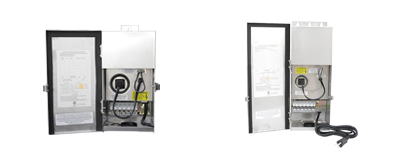
Choosing a landscape lighting transformer requires more than matching total lamp watts. This guide explains output compatibility, VA loading, circuit limits, cable planning, voltage taps, outdoor suitability, and controls. It also outlines purchasing documentation and commissioning checks, helping contractors and buyers specify a power supply around the complete lighting system.
View More
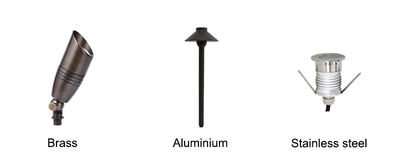
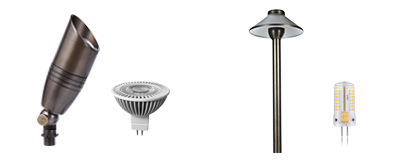
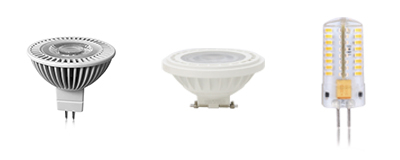
A low voltage landscape lighting system requires careful planning to achieve reliable performance, energy efficiency, and long-lasting outdoor illumination. This landscape lighting buying guide explains how to select transformers, direct burial cables, fixtures, and LED components while avoiding common issues such as voltage drop, poor material choices, and improper installation. It also covers lighting design principles, fixture selection, weather resistance, and maintenance considerations. By understanding system architecture and technical requirements, homeowners and professionals can create safe, attractive, and durable outdoor lighting solutions that enhance landscape aesthetics and property value.
View More
Understanding landscape lighting energy consumption helps property owners design efficient outdoor lighting systems without unnecessary electricity costs. This guide explains how LED fixtures reduce power usage compared with traditional halogen lights, how to calculate monthly electricity expenses, and how to select proper fixture wattage and transformer capacity. It also covers voltage drop prevention, smart lighting controls, zoning strategies, and maintenance practices. By optimizing hardware selection and system management, homeowners and commercial properties can achieve reliable outdoor illumination while minimizing long-term energy consumption and operating costs.
View More
Outdoor LED landscape lights can last 10 to 20 years when built with quality materials, proper heat management, and professional installation. This guide explains how long LED landscape lights last in real-world conditions and explores the factors that affect durability, including LED drivers, waterproof protection, housing materials, weather exposure, wiring methods, and maintenance practices. It also compares integrated LED fixtures with replaceable bulbs and explains why solid brass and copper fixtures provide superior long-term performance. Understanding these factors helps homeowners and professionals create reliable outdoor landscape lighting systems that deliver lasting illumination.
View More
Can landscape lights stay on all night? Modern low voltage LED landscape lighting systems can operate continuously, but homeowners should understand the impact on equipment lifespan, energy consumption, and environmental conditions. This guide explains how transformer capacity, LED heat management, electrical safety, and lighting schedules affect long-term performance. It also explores smart transformers, timers, motion sensors, and dimming solutions that provide security and outdoor beauty while reducing unnecessary wear. By choosing the right lighting strategy, homeowners can protect their investment and create a more efficient outdoor lighting system.
View More
Choosing between **AC vs DC landscape lighting** affects LED performance, system reliability, voltage drop, installation flexibility, and long-term maintenance. While 12V AC remains widely used for existing landscape lighting systems and long wire runs, 12V and 24V DC provide native compatibility with LEDs, solar power, battery storage, and smart dimming controls. This guide compares the key differences between AC and DC landscape lighting, including power supply requirements, wire sizing, LED lifespan, installation considerations, and ideal applications, helping you select the right low-voltage lighting system for your project.
View More
Low voltage landscape lights are a safe and reliable solution for outdoor lighting applications exposed to rain, snow, and wet soil. This guide explains why 12V landscape lighting systems reduce electrical risks compared with traditional high-voltage lighting. It covers transformer isolation, waterproof connections, IP ratings, LED advantages, installation requirements, and moisture-related troubleshooting. By selecting proper components and following safety practices, homeowners and professionals can create durable outdoor lighting systems that maintain performance, safety, and reliability in challenging weather conditions.
View More