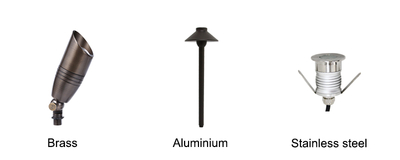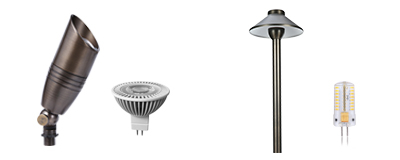

Choosing between **12V vs 120V landscape lighting** affects safety, installation complexity, performance, cost, and long-term maintenance. This guide compares low-voltage and line-voltage landscape lighting systems, covering wiring requirements, trench depth, voltage drop, fixture design, electrical codes, energy efficiency, and suitable applications. While 12V landscape lighting is generally safer, easier to install, and ideal for residential gardens and pathways, 120V systems provide stronger long-distance performance and higher output for large commercial properties and security lighting. Understanding these differences helps you choose the right outdoor lighting system for your project.

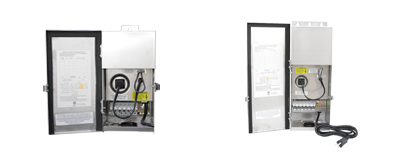
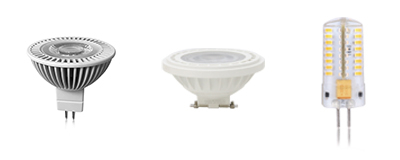
A **low voltage landscape lighting system** provides a safer, flexible, and scalable approach to outdoor illumination by converting standard household power to 12V or 24V. This guide explains how transformers, direct-burial wiring, LED fixtures, wire gauges, and wiring layouts work together to deliver reliable lighting. It also covers transformer sizing, voltage drop management, smart controls, moisture protection, and common installation problems. By understanding these essential components and design principles, property owners can plan a more durable landscape lighting system while reducing maintenance issues and supporting future expansion.
Low voltage landscape lighting provides a safe, energy-efficient, and flexible solution for illuminating pathways, gardens, architectural features, and outdoor spaces. This guide explains how 12V and 24V landscape lighting systems work, covering transformer sizing, wire gauge selection, voltage drop, LED fixtures, layout planning, and installation practices. It also explores weatherproofing, smart lighting controls, system scalability, and long-term costs. By understanding these key factors, property owners, contractors, and landscape professionals can design reliable outdoor lighting systems that deliver consistent performance, easier maintenance, and lasting visual appeal.

Determining **how many landscape lights on one circuit** requires more than simply counting fixtures. Transformer capacity, total fixture wattage or VA, wire gauge, circuit distance, voltage drop, and wiring layout all affect the safe number of lights a circuit can support. This guide explains how to calculate usable transformer capacity, apply the 80% load rule, select appropriate landscape lighting wire, compare LED and halogen loads, and choose effective wiring methods. By balancing these factors, you can design a safer, more reliable, and scalable low-voltage landscape lighting system.