Views: 0 Author: Site Editor Publish Time: 2026-08-25 Origin: Site


Outdoor LED landscape lights typically last between 10 and 20 years, depending heavily on material quality and environmental conditions. High upfront costs for outdoor lighting make premature failures incredibly frustrating for property owners who frequently replace supposedly weatherproof fixtures after just a few short seasons. Manufacturer marketing claims often boast a 50,000-hour lifespan. However, the reality of outdoor environments tells a very different story. Water ingress, poor heat management, and cheap materials cause rapid degradation.
True longevity depends on a precise combination of material quality, thermal management, and proper installation. You cannot evaluate a lighting system based solely on the box's printed claims. This guide provides a comprehensive framework for evaluating low-voltage landscape lighting systems. We focus on long-term reliability and structural integrity. Understanding these mechanical factors helps you build an outdoor lighting setup that genuinely lasts for decades.
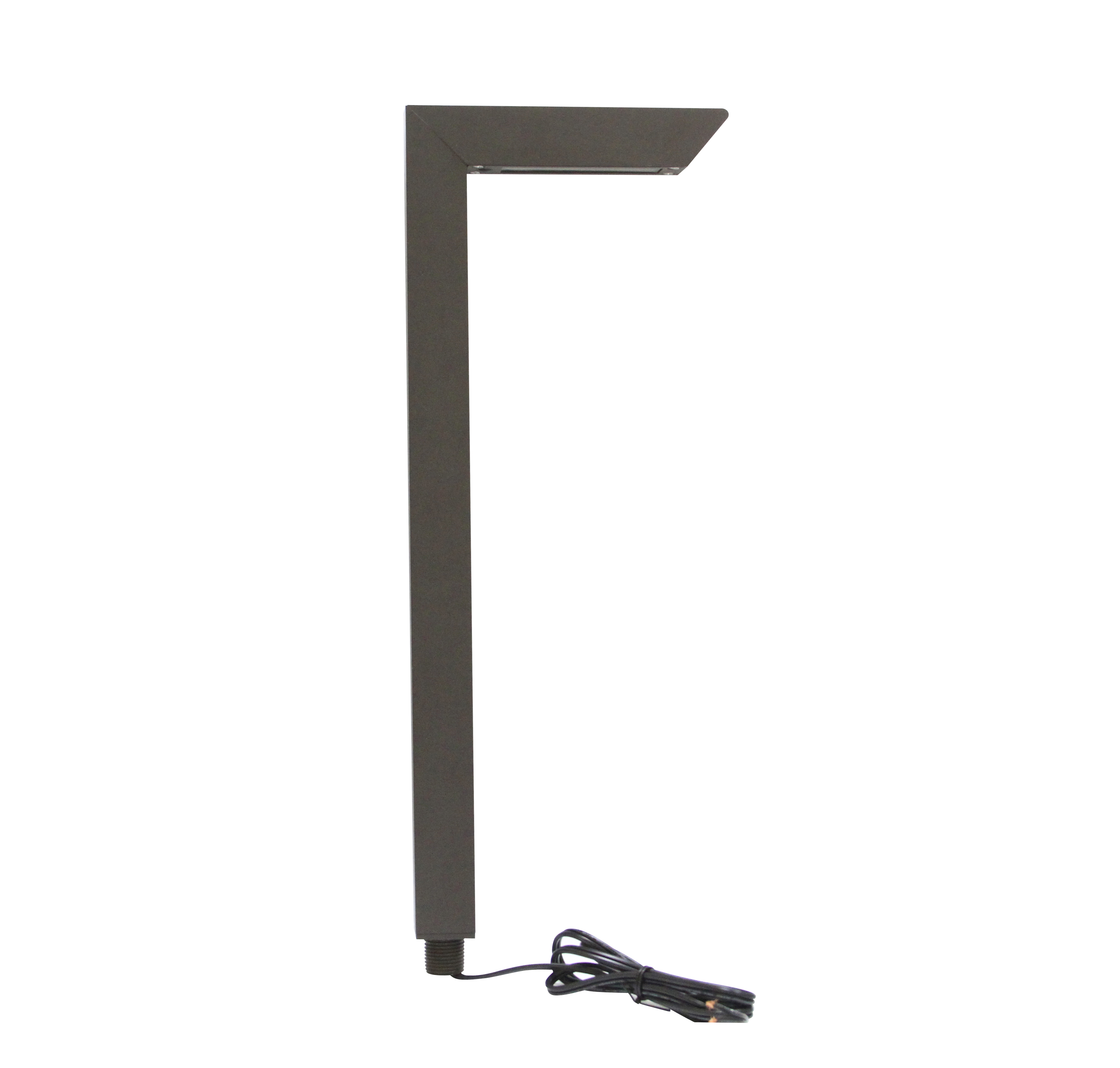
Real-World Lifespans Vary Drastically: Professional-grade LED landscape lights can last 10 to 20 years (25,000–50,000+ hours), while cheap, big-box store alternatives typically fail within 1 to 3 years.
Heat is the Primary Degradation Factor: Even in cold climates, internal heat management (heatsinks) dictates how long the LED diode and internal driver will survive.
Housing Matters as Much as the Bulb: Solid brass or copper fixtures with high-quality O-rings prevent the most common cause of failure: moisture ingress and corrosion.
Maintenance Extends Viability: Simple annual maintenance—including cleaning lenses, clearing debris, and adjusting fixtures as landscapes grow—is critical to achieving the maximum rated lifespan.
Table of Contents
Translating factory-tested hours into actual years requires basic math and realistic usage estimates. A rating of 50,000 hours equates to roughly 15 to 20 years of continuous nightly use. This assumes you operate the system for six to eight hours per night. However, LEDs rarely burn out abruptly like traditional incandescent bulbs. They experience lumen depreciation over time. The lighting industry uses the L70 standard to measure this decline. The L70 rating marks the exact point where an LED produces only 70% of its initial light output. The fixture still works, but the illumination becomes noticeably dimmer.
Laboratory testing conditions rarely match the harsh realities of a residential or commercial landscape. Engineers test LED diodes in climate-controlled rooms with ambient temperatures hovering around 25°C (77°F). Out in the field, a path light might bake in 40°C (104°F) direct summer sunlight before turning on at dusk. This retained heat severely impacts the internal electronics. When property owners ask how long do LED landscape lights last, the answer heavily depends on how well the fixture handles this environmental thermal load.
There is a massive durability gap between professional-grade and budget systems. Cheap, low-quality lighting systems typically fail within one to three years. Ultraviolet rays degrade thin plastic housings rapidly, turning them brittle. Poor weather sealing allows moisture to penetrate the casing during heavy rainstorms. Inferior electronic drivers burn out from minor voltage spikes on the line. You will often find these budget fixtures leaning sideways, filled with condensation, or completely dead after a single harsh winter.
Architectural-grade low-voltage landscape light systems easily last 10 to 15 years or more. Manufacturers build these units with robust metals like solid brass or heavy-duty copper. They utilize advanced drivers designed specifically to withstand snow, rain, heat, and cold. The internal circuitry features high-quality capacitors that resist thermal breakdown. Investing in professional-grade fixtures ensures the physical housing outlasts the internal diode, providing reliable illumination season after season.
Fixture Grade | Average Lifespan | Primary Failure Point | Housing Material |
|---|---|---|---|
Budget / Big-Box | 1 - 3 Years | Water ingress, cracked housing | Plastic, thin aluminum |
Mid-Tier | 3 - 7 Years | Driver failure, powder coat peeling | Cast aluminum |
Professional-Grade | 10 - 20+ Years | L70 lumen depreciation | Solid brass, copper |
Understanding fixture failure requires looking past the light source itself. The actual LED diode is rarely the first component to fail. The electronic driver almost always serves as the weak link in the system. This internal component converts incoming 12V AC power from the landscape transformer into usable DC power for the diode. It also regulates the electrical current flowing to the light source. Voltage spikes and constant thermal stress destroy cheap drivers quickly. When a landscape light suddenly stops working, a fried driver is usually the culprit.
Heat management remains the single biggest factor affecting LED longevity. Quality fixtures use the heavy metal housing as a dedicated heatsink. The metal physically draws heat away from the sensitive diode and driver. Plastic fixtures trap this heat inside the casing. This trapped thermal energy accelerates driver failure exponentially. Even in freezing winter climates, the internal operating temperature of an LED can reach critical levels without proper heat dissipation. The junction temperature—the exact point where the diode connects to the circuit board—must remain cool to prevent rapid lumen depreciation.
Weather sealing dictates how well the fixture survives outdoor elements. Ingress Protection (IP) ratings define the exact level of environmental resistance. IP65 fixtures withstand low-pressure water jets from standard sprinklers. IP67 fixtures survive temporary submersion in heavy rain puddles. Thermal cycling creates severe challenges for these seals. Fixtures heat up during operation and cool down when turned off. This constant temperature shift creates a vacuum effect inside the housing. The vacuum actively draws moisture past cheap rubber seals, leading to internal corrosion.
To identify the root cause of a failed landscape light, follow these troubleshooting steps:
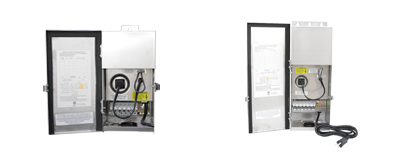
Check the main transformer to ensure it is outputting the correct voltage (typically 12V to 15V).
Inspect the wire connection at the base of the failed fixture for corrosion or loose wire nuts.
Open the fixture housing and look for visible condensation or water pooling on the lens.
Examine the socket pins (if using a drop-in bulb) for green oxidation or black scorch marks.
Test the socket with a multimeter to confirm voltage is reaching the bulb.

Extreme temperature fluctuations destroy poorly constructed fixtures. Freeze and thaw cycles place immense stress on O-rings and glass lenses. Water seeps into tiny crevices, freezes, and expands. This ice expansion physically pushes seals apart, compromising the watertight integrity of the housing. Heavy snow loads apply crushing physical pressure to path light stems, often bending or snapping them at the threaded base. Metal housings expand and contract daily, wearing down mechanical joints over time. Prolonged summer heatwaves compound the internal thermal stress on the LED driver. The driver must work significantly harder to regulate current in high ambient temperatures.
Moisture, humidity, and coastal salt air present constant threats to outdoor electronics. Constant rain and snowmelt test water resistance every single day. Sprinkler systems repeatedly hit fixtures with hard water, leaving mineral deposits on the lenses that block light output and trap heat. Coastal salt air accelerates galvanic corrosion rapidly. Powder-coated aluminum degrades and bubbles within months near the ocean. Raw brass or copper withstands salt air beautifully, developing a protective patina instead of rusting away.
Soil chemistry introduces hidden ground-level hazards that many installers overlook. Acidic soils slowly eat away at buried in-ground well lights. Fertilizers and harsh landscaping chemicals corrode path light stems right at the soil line. High-nitrogen lawn treatments are particularly aggressive against cheap aluminum alloys. Wildlife causes unexpected and frustrating damage to the electrical infrastructure. Rodents frequently chew through exposed low-voltage wiring, causing dead shorts that trip the transformer.
Proper site preparation mitigates many of these environmental hazards. Contractors use specific techniques to protect the lighting system from the ground up:
Burying main trunk lines at least six inches deep to avoid aerators, shovels, and edging tools.
Running wire through Schedule 40 PVC conduit in areas with heavy rodent activity.
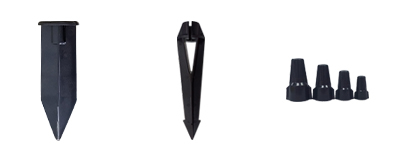
Mounting path lights on heavy-duty ground stakes with slotted wire exits to prevent pinching.
Applying a layer of crushed gravel under well lights to ensure rapid water drainage.
Integrated LED fixtures feature a light board built directly into the metal housing. This permanent design offers maximum moisture protection. It eliminates the need for an open socket, removing a major point of failure. Integrated units also provide superior heat dissipation. The metal body acts as a massive, continuous heatsink for the diode. The thermal transfer is highly efficient because the LED board is mechanically bonded to the housing. The primary trade-off involves replacement difficulty. When the LED eventually degrades or fails, you must replace the entire fixture. You cannot simply swap out a bulb.
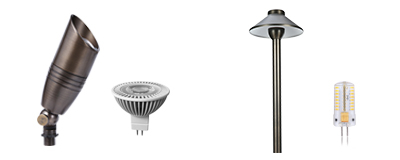
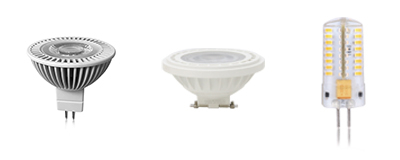
Drop-in LED bulbs, like MR16 or G4 formats, offer distinct maintenance advantages. They provide ease of maintenance and lower component replacement costs. You can easily change beam angles post-installation by swapping the bulb. Adjusting color temperatures requires only a quick bulb change. However, the physical socket introduces a major vulnerability. It creates an air gap that significantly reduces thermal conductivity. The socket also provides an entry point for moisture. Condensation often forms on the bi-pin connectors, leading to rapid corrosion. This potentially shortens the bulb's lifespan compared to fully sealed integrated units.
Feature | Integrated LED Fixtures | Drop-in LED Bulbs (MR16/G4) |
|---|---|---|
Moisture Resistance | Excellent (Fully sealed housing) | Moderate (Socket vulnerable to condensation) |
Heat Dissipation | Superior (Direct bond to metal housing) | Poor (Air gap around the socket traps heat) |
Maintenance Ease | Low (Requires full fixture replacement) | High (Simple bulb swap) |
Design Flexibility | Fixed beam angle and color temperature | Easily adjustable by changing bulbs |
Use integrated fixtures for hard-to-reach areas like mature trees or second-story architectural peaks. The extended lifespan minimizes dangerous ladder work. Use drop-in fixtures for ground-level path lights or easily accessible garden beds. This allows you to adjust the lighting design as the landscape matures, plants grow taller, and focal points shift over the years.
Plastic and composite materials pose significant long-term risks in outdoor environments. Ultraviolet exposure causes rapid brittleness and severe cracking. Plastic completely fails to dissipate internal heat effectively, acting as an insulator that cooks the internal LED driver. These materials are only suitable for temporary applications. Sun exposure will bleach black plastic to a dull gray within a single summer season. Once the plastic cracks, water floods the internal circuitry immediately.
Cast aluminum represents a common mid-tier option in the landscape lighting industry. It dissipates heat much better than plastic. However, powder-coat bubbling is virtually inevitable over time. Micro-scratches from landscaping tools allow moisture to penetrate beneath the paint. Filiform corrosion sets in, spreading like spiderwebs under the coating. Oxidation usually begins within three to five years. Damp environments and sprinkler impacts accelerate this paint degradation rapidly. Once the coating fails, the raw aluminum housing deteriorates quickly, turning into a white powdery substance.
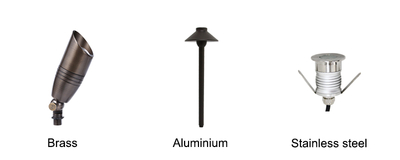
Solid brass and copper stand as the absolute industry standard for longevity. These heavy metals patina naturally over time, blending beautifully into the landscape. The oxidation layer actually protects the underlying metal from further decay. They resist corrosion indefinitely, even in harsh coastal environments exposed to daily salt spray. Furthermore, brass and copper provide superior thermal mass. This dense metal pulls heat away from the LED driver with exceptional efficiency. A solid brass fixture will feel warm to the touch during operation, which proves it is successfully pulling heat away from the internal diode.

Improper installation ruins even the highest quality fixtures. Improper wire sizing causes severe voltage drop across the system. If you run a thin 16-gauge wire over a 150-foot distance, the voltage will drop significantly by the end of the run. A fixture designed to operate at 12V might only receive 9V. Low voltage forces LED drivers to pull more amperage to compensate. This excess amperage generates additional heat. The drivers then fail prematurely due to thermal overload. You must calculate voltage drop accurately and use heavy-duty 12/2 or 10/2 landscape wire for long runs.
Daisy-chaining too many fixtures creates the exact same voltage drop issue. Contractors prefer the hub-and-spoke wiring method. This involves running a thick main line to a central hub, then branching out to individual fixtures with shorter, equal-length wire runs. This ensures every fixture receives consistent voltage, extending the life of the internal drivers.
Waterproof wire connections are absolutely mandatory for underground splices. Standard indoor wire nuts will fail underground within months. You must use silicone-filled wire nuts or heat-shrink tubing. Moisture can actually wick up the inside of the wire jacket. Water travels up the copper strands directly into the fixture housing through capillary action. This destroys drivers from the inside out, even if the fixture housing itself is perfectly sealed.
Follow this professional installation checklist to maximize fixture lifespan:
Calculate total wattage load to ensure it does not exceed 80% of the transformer's capacity.
Use the hub-and-spoke wiring method to balance voltage across all fixtures.
Strip wires carefully to avoid nicking the copper strands, which creates resistance.
Twist copper strands tightly before inserting them into silicone-filled waterproof connectors.
Leave a three-foot loop of extra wire at each fixture base to allow for future relocation.
Leaving fixtures on indefinitely accelerates thermal wear. Continuous operation significantly shortens the lifespan in actual years. Use astronomical timers to optimize run times automatically based on sunset and sunrise. Smart transformers and dimming controls reduce the overall thermal load. Running an LED at 80% brightness drastically reduces heat generation and extends driver life.
Create a proactive annual maintenance routine. Clean glass lenses to prevent heat buildup and maximize light output. Hard water stains block light and force the fixture to retain heat. Apply dielectric grease to all drop-in bulb sockets to prevent moisture corrosion on the pins. Re-bury any exposed lines pushed up by frost heave. Physically adjust fixtures annually to accommodate aggressive plant growth. This prevents structural damage to the stems or mounting stakes.
Evaluating long-term reliability requires looking closely at manufacturer warranties. Cheap fixtures require frequent replacement cycles. This demands constant labor, digging, and troubleshooting time. Professional fixtures are installed once and operate reliably for decades. Look closely at the specific warranty terms provided by the manufacturer. A lifetime warranty on a solid brass housing is an excellent indicator of quality, proving the manufacturer trusts their metallurgy.
However, you must differentiate between mechanical and electrical warranties. Check the specific warranty on the integrated LED or internal electronics. These components often carry separate five to ten-year warranties, even if the brass housing is guaranteed for life. Read the fine print regarding voltage requirements. Some manufacturers void the warranty if the fixture is subjected to voltages outside the 9V to 15V range.
Beware of lifetime electronic warranties from unverified or brand-new companies. The company may not exist in five years to honor the claim. Established brands with decades of industry presence offer the most reliable warranty protection. They have the supply chain stability to provide replacement parts or updated LED boards a decade after the initial installation.
Audit your current landscape lighting layout to identify failing or water-damaged fixtures.
Consult with a certified lighting designer to calculate proper wire gauges and prevent voltage drop.
Upgrade cheap plastic housings to solid brass or copper alternatives for permanent installations.
Install a smart transformer with an astronomical timer to optimize nightly run times and reduce thermal stress.
Implement an annual maintenance schedule to clean lenses, check wire connections, and adjust fixture positioning.
For customers seeking reliable and durable outdoor lighting solutions, Radar Lighting specializes in developing high-quality LED landscape lighting products designed for residential and commercial outdoor applications. With a focus on product reliability, material performance, and long-term lighting solutions, Radar Lighting helps customers create efficient, durable, and visually appealing outdoor lighting environments.
A: LED diodes rarely burn out abruptly like incandescent bulbs. Instead, they experience lumen depreciation, slowly dimming over time. The L70 standard marks when they reach 70% of their original brightness. However, the internal electronic driver can fail suddenly due to voltage spikes, water ingress, or thermal overload.
A: Leaving fixtures on continuously accelerates thermal wear and reduces their overall lifespan in years. Continuous operation forces the driver to manage heat constantly. Use an astronomical timer or smart transformer to turn lights off during deep night hours, which significantly extends the life of the internal electronics.
A: The three most common causes of premature failure are water ingress, cheap electronic drivers, and poor wire connections. Standard wire nuts allow moisture to wick up the cables into the fixture. Plastic housings trap heat, which destroys the driver. Always use silicone-filled waterproof connectors.
A: Integrated fixtures offer superior weather resistance and heat dissipation because the LED board connects directly to the metal housing. This maximizes lifespan. Replaceable bulbs offer convenience and flexibility for changing beam angles, but the socket introduces an air gap that reduces cooling efficiency and invites moisture.
A: You should perform basic maintenance at least once a year. This includes cleaning hard water deposits off glass lenses, clearing dead leaves away from heatsinks, checking for exposed wires, and adjusting fixture angles to accommodate new plant growth. Annual checks prevent minor issues from causing total fixture failure.