Views: 0 Author: Site Editor Publish Time: 2026-08-25 Origin: Site


Mixing electricity and water outdoors naturally raises safety concerns for property owners evaluating landscape lighting investments. You might wonder, are low voltage landscape lights safe when exposed to heavy rain, snowmelt, or saturated soil? The direct answer is yes. Low voltage systems operating at 12V or 15V are inherently safe. They do not pose fatal shock hazards even in completely wet conditions. Decision-makers need to know if these systems present short-circuit risks or long-term reliability issues during severe weather. Traditional high-voltage setups carry significant risks if compromised. Low voltage alternatives eliminate these dangers through proper electrical isolation. This article provides an evidence-based breakdown of why low-voltage systems are the industry standard for outdoor safety. We will explore how they mitigate voltage leak risks and outline the technical requirements for a fail-safe installation.
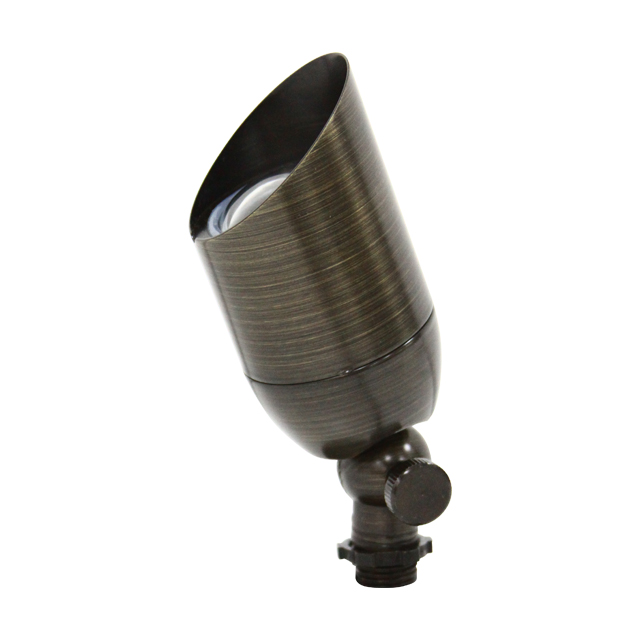
Inherent Safety: 12V/15V systems are fundamentally safe; the voltage is too low to overcome human skin resistance, eliminating the risk of fatal shocks even in direct contact with wet soil or standing water.
Component Isolation: Safety relies on the step-down transformer successfully isolating the dangerous 120V primary power from the safe 12V secondary field wiring.
Connection Integrity: Most moisture-related system failures are not caused by fixture defects, but by improper splicing (lack of waterproof connectors) or compromised wire jackets.
Code Compliance: Safe operation requires strict adherence to clearance rules, including GFCI protection for the power source and specific distance requirements from water features.
Table of Contents
Traditional 120V line voltage systems carry severe risks when installed underground. If a wire jacket degrades or a shovel nicks the line, the current seeks the path of least resistance. In wet soil, this creates a dangerous voltage leak. Anyone stepping near the compromised area risks a severe or fatal electrical shock. Water acts as a highly effective conductor for 120V current. This makes high-voltage field wiring a significant liability in residential and commercial landscapes.
Low voltage systems eliminate this hazard entirely. A step-down transformer serves as the heart of the system. It takes standard 120V household current and converts it to a harmless 12V to 15V output. This magnetic or electronic isolation separates the dangerous primary power from the yard wiring. The transformer pushes a much smaller electrical force out into the field. If a landscaper cuts a 12V line with a spade in a muddy trench, the worst outcome is a blown fuse inside the transformer housing.
Human skin possesses natural electrical resistance. Dry skin offers about 100,000 ohms of resistance. Wet skin drops that resistance significantly, sometimes down to 1,000 ohms. However, even at 1,000 ohms, a 12V current only pushes 12 milliamps of electrical force. This is well below the threshold required to cause muscle contraction or cardiac disruption. You can touch bare 12V wires while standing in a puddle without receiving a shock. The resistance of your body remains too high for the low voltage to overcome. This physical reality renders 12V systems exceptionally safe for environments shared with children, pets, and landscaping crews.
System Type | Operating Voltage | Shock Hazard in Wet Soil | Failure Result (Cut Wire) |
|---|---|---|---|
Line Voltage | 120V | High (Lethal potential) | Tripped main breaker, electrified soil |
Low Voltage | 12V - 15V | Zero (Harmless) | Blown low-voltage fuse, dead lights |
A properly designed outdoor lighting system must achieve specific operational goals to survive in the field. First, it must guarantee zero shock hazard. Field wiring buried in garden beds or running along pathways must remain safe even if accidentally exposed or damaged. Landscapers frequently use aerators, edgers, and spades. The system must fail safely if mechanical damage occurs.
Second, the system requires operational consistency. Outdoor environments subject fixtures to brutal conditions. Heavy spring rainfall, deep winter snow accumulation, and daily freeze-thaw cycles test every seal and connection. The lighting must maintain illumination without flickering or tripping breakers during these seasonal shifts. Moisture cannot be allowed to bridge electrical connections.
Third, regulatory compliance ensures baseline safety. The National Electrical Code (NEC) dictates specific standards for low-voltage landscape lighting installations. These rules govern burial depths, transformer placements, and proximity to water sources. Adhering to these codes prevents localized overheating and ensures the power supply remains protected from direct water ingress.
To meet these criteria, installers follow a strict sequence of safety checks:
Verify GFCI function at the primary 120V receptacle using a plug-in tester.
Confirm the transformer provides complete magnetic isolation between primary and secondary coils.
Ensure all field splices utilize silicone-filled direct burial tubes to lock out soil moisture.
Test the final voltage at the furthest fixture to confirm it remains within the 10.5V to 15V operating range.

Not all outdoor fixtures handle moisture equally. The Ingress Protection (IP) rating system defines exactly how much water a fixture can withstand. Selecting the wrong rating leads to internal corrosion and premature failure. You must match the IP rating to the specific environmental conditions of the installation zone.
IP65 fixtures withstand low-pressure water jets from any direction. They handle standard rain exposure perfectly well. However, they will fail if submerged. IP67 fixtures offer protection against temporary submersion up to one meter for 30 minutes. Use these in areas prone to heavy pooling after storms. IP68 fixtures are fully submersible and designed for continuous underwater operation. You need IP68 ratings for pond lights or fixtures installed in known flood zones with poor drainage.
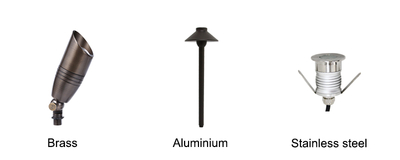
Material selection also dictates longevity in wet soil. Soil acidity, alkalinity, and moisture content rapidly degrade inferior metals. Cast brass and heavy-duty copper offer superior corrosion resistance. They develop a natural patina over time but retain their structural integrity for decades. Powder-coated aluminum provides a cost-effective alternative, but the coating can chip. Once the raw aluminum touches damp soil, it oxidizes and degrades quickly. In high-alkaline soils, aluminum fixtures can pit and turn to white powder within three years.
IP Rating | Water Resistance Level | Best Application |
|---|---|---|
IP65 | Protected against low-pressure water jets (rain). | Standard garden beds, pathway lighting, elevated spotlights. |
IP67 | Protected against temporary submersion (up to 1m). | Poor drainage zones, low-lying areas, heavy snow accumulation. |
IP68 | Protected against continuous submersion. | Ponds, fountains, waterfalls, persistent flood zones. |
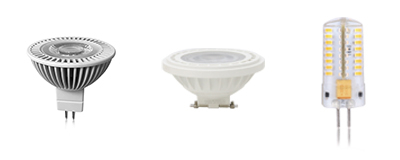
Traditional halogen bulbs present a unique hazard in wet environments: thermal shock. Halogen lamps operate at extremely high temperatures. The glass envelope becomes incredibly hot during operation, often exceeding 300 degrees Fahrenheit. If a cold rain suddenly hits a hot halogen lens, the rapid temperature change causes the glass to shatter. This exposes the internal bi-pin socket to direct moisture, leading to immediate failure and corrosion.
Integrated LED fixtures eliminate the thermal shock risk entirely. LEDs convert electricity into light with minimal heat waste. They run cool to the touch. Cold rain or snowmelt hitting an LED lens causes no structural stress. Furthermore, integrated LED fixtures feature fully sealed, moisture-proof housings. Since there is no bulb to replace, manufacturers permanently seal the optics and electronics behind heavy gaskets. High-quality LED drivers are often "potted"—encased entirely in a solid epoxy resin—completely locking out ambient moisture and preventing condensation from forming on the internal circuitry.
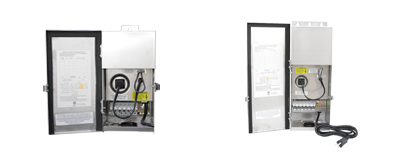
The transformer bridges the gap between dangerous 120V power and safe 12V field wiring. Its placement requires careful planning. Transformers generate heat during operation. They require a minimum 1-foot clearance in all directions. Tucking a transformer tightly into a corner or covering it with dense foliage restricts airflow. This leads to overheating and traps ambient moisture against the stainless steel housing.
Water feature proximity demands strict adherence to NEC guidelines. You cannot place a landscape lighting transformer right next to a swimming pool or spa. Standard codes require maintaining a minimum 30-foot distance from the water's edge. Some local code variations allow closer placement if specific barriers exist, but distance remains the best defense against splashing and pool chemicals.
The primary power connection represents the most critical safety point. You must plug the transformer into a GFCI (Ground Fault Circuit Interrupter) protected receptacle. This receptacle must feature a weatherproof "in-use" cover. If water somehow compromises the 120V side of the system, the GFCI detects the fault and cuts the power in milliseconds, preventing electrical fires or shocks.
Most moisture-related system failures do not originate inside the fixtures. They happen at the splice points. When installers connect the fixture lead wire to the main home run cable, they create a vulnerability. Standard indoor wire nuts and electrical tape fail rapidly when buried in wet soil. Moisture seeps into the connection, causing the exposed copper to oxidize. This oxidation creates resistance, leading to severe voltage drop and dimming lights.
You must use proper waterproofing techniques for every underground connection. Direct-burial, silicone-filled wire connectors are mandatory. These connectors feature a reservoir of dielectric silicone grease. When you push the twisted wires into the cap, the silicone envelops the copper, displacing all air and moisture. Alternatively, marine-grade heat-shrink tubing lined with adhesive provides a permanent, watertight seal for critical splices. If you strip 5/8 of an inch of insulation, twist the copper tightly, and seat it fully into a silicone tube, water cannot penetrate the joint.
Landscape wire requires careful handling before and during installation. The "wet wire" phenomenon occurs when unconnected wire ends sit in water. If you drop a spool of wire in a puddle, the unpowered wire poses no shock risk. However, capillary action draws water deep inside the PVC jacket. The water travels between the copper strands. If you install this wire, internal corrosion will slowly destroy the system from the inside out. Always cut off wet wire ends before making connections.
Mechanical protection ensures long-term wire integrity. You should bury landscape wire at a depth of at least 6 inches. This depth protects the jacket from routine yard maintenance. Surface-level wires easily fall victim to aerators, edging tools, and aggressive raking. A nicked jacket exposes the copper to wet soil, starting the oxidation process.
Shallow burial depths also invite wildlife damage. Dogs, squirrels, and raccoons frequently dig up and chew on exposed wires. While the 12V current won't harm the animal, the damaged wire will short out when it rains. Maintaining a strict 6-inch burial rule keeps the infrastructure safely out of reach.
Wire Gauge | Max Recommended Distance (100W Load) | Primary Application |
|---|---|---|
16 AWG | 50 Feet | Short runs, single fixture leads. |
14 AWG | 100 Feet | Standard residential garden beds. |
12 AWG | 150 Feet | Long property lines, heavy fixture loads. |
10 AWG | 250 Feet | Commercial applications, distant tree rings. |
Cold climates introduce mechanical stress to buried lighting systems. As temperatures drop, damp soil freezes and expands. This process, known as ground heaving, physically moves the earth. The expanding soil grips buried wires and pushes fixtures upward. This immense pressure can literally tear wires out of their splice connections.
Installers mitigate this risk by leaving "slack loops" at every connection point. Instead of pulling the wire tight between fixtures, you leave an extra two to three feet of coiled wire buried beneath the fixture. You also leave slack at the main splice points. When the ground heaves during a freeze-thaw cycle, the slack loop expands. The wire moves with the soil without putting any mechanical tension on the waterproof connectors.

When a low voltage system stops working after heavy rain, the problem usually falls into one of four categories. Understanding these failure points speeds up the diagnostic process.
Tripped GFCI Outlets: Homeowners often blame the 12V wiring, but a tripped GFCI indicates a moisture issue at the 120V receptacle or inside the transformer itself. The 12V field wiring cannot trip a 120V GFCI directly.
Corroded Sockets: If a single fixture fails, check the socket. Compromised O-rings or cracked lenses allow rain to enter the housing. The water shorts the bulb base, causing rapid corrosion.
Nicked Wire Jackets: A damaged wire jacket exposes copper to wet soil. This does not create a shock hazard, but it does cause rapid oxidation. The resulting resistance causes the lights further down the line to dim significantly.
Blown Transformer Fuses: A blown internal fuse usually indicates a "dead short." This happens when water bridges a poorly executed connection, or when two exposed wires touch directly in a wet environment.
Effective troubleshooting requires isolating the problem. You cannot guess where a short exists in a buried system. You must systematically rule out components.
Disconnect the field wiring from the transformer terminals.
Reset the GFCI and turn the transformer on. If the transformer hums and stays on, the power supply is fine. The fault lies out in the wet yard. If the GFCI trips immediately with no wires attached, the transformer or the receptacle is compromised.
Use a digital multimeter set to Ohms to test for continuity across the disconnected home run wires. A reading of 0.00 or a continuity beep indicates a dead short somewhere in the wet soil.
Walk the line, checking every splice point and looking for areas where the ground was recently disturbed by digging or edging.
Measure voltage drops at the furthest fixtures to identify hidden corrosion in the line.
Proactive maintenance prevents moisture failures before they happen. Conduct a thorough spring inspection after the final thaw. Walk the property and look for exposed wires pushed up by ground heaving. Check every fixture to ensure it remains perfectly plumb. Re-bury any exposed lines to the proper 6-inch depth.
Autumn weatherproofing prepares the system for harsh conditions. Before the heavy rainy season or winter snows begin, inspect the fixtures. Open the housings and re-lubricate the rubber O-rings with dielectric grease. This keeps the rubber supple and maintains a watertight seal. Inspect all visible silicone seals around glass lenses and wire entry points. Replace any fixtures showing signs of internal condensation.
Audit your exterior 120V receptacles immediately to confirm they feature functioning GFCI protection and intact weatherproof covers.
Map your property's drainage zones to identify areas where water pools, ensuring you select IP67 or IP68 rated fixtures for those specific locations.
Inspect your existing system for exposed wires or shallow burial depths, and re-bury them to a minimum of 6 inches to prevent mechanical damage.
Replace any standard wire nuts or electrical tape on underground splices with direct-burial, silicone-filled connectors.
Consult a certified landscape lighting professional for a comprehensive site evaluation if you experience persistent voltage drops or blown fuses after rainstorms.
For reliable outdoor illumination projects, choosing high-quality lighting products and an experienced supplier is essential for achieving long-term safety and performance. Radar Lighting specializes in outdoor landscape lighting solutions, providing professional lighting products designed for residential and commercial environments with a focus on durability, safety, and energy-efficient illumination.
A: Unconnected wire poses no electrical danger, but getting it wet damages the cable. Capillary action draws water inside the PVC jacket, traveling between the copper strands. If installed, this trapped moisture causes internal corrosion. Always cut off wet ends before making connections.
A: If you cut a 12V wire in wet soil, the lights on that run will go out. However, it will not cause a dangerous shock or start a fire. The voltage is too low to pose a hazard. The transformer fuse may blow to protect the system.
A: No. Properly installed low voltage landscape lighting is designed to operate safely during heavy rain. As long as your splices use silicone-filled connectors and your transformer is plugged into a GFCI outlet, the system will function without issue.
A: Yes, installation is safe, but physically difficult due to frozen ground. The electrical components handle cold and damp conditions perfectly. Installers must ensure they leave adequate slack loops in the wiring to account for ground heaving during spring thaws.
A: The National Electrical Code (NEC) generally requires landscape lighting transformers to be mounted at least 30 feet away from the inside wall of a swimming pool or spa. Always check local municipal codes, as specific barrier rules may allow closer placement.
A: This usually indicates moisture entering the 120V side of the system. Water may be seeping into the exterior GFCI receptacle, or rain is hitting a compromised transformer housing. The 12V field wiring in the yard rarely causes a 120V breaker to trip.
A: Yes. Halogen bulbs run extremely hot and can shatter if cold rain hits the glass lens. Integrated LED fixtures run cool to the touch and feature fully sealed housings, making them highly resistant to moisture and structural failure.